
How Our Creative Offers Work
We use seller finance, mortgage takeovers, hybrids, and cash to make deals work when normal buyers and banks can’t. Here’s exactly how we structure them and how you get paid.
No jargon. Just clear numbers: price, down, monthly, and term.

How Our Creative Offers Work
We use seller finance, mortgage takeovers, hybrids, and cash to make deals work when normal buyers and banks can’t. Here’s exactly how we structure them and how you get paid.
No jargon. Just clear numbers: price, down, monthly, and term.
Our Process (Same For Every Deal)

Step 1 – Submit the Property
You send basic info: address, asking price, rents/income, big expenses (including utilities), existing loan balance & payment (if any), and what the seller actually wants (cash now, price, or just out of the headache).

Step 2 – We Run the Real Numbers
We underwrite the deal: income, taxes, insurance, maintenance, vacancies, utilities, and existing debt. If it can’t be made safe, we tell you no. If it can, we pick the right structure (seller finance, mortgage takeover, hybrid, or cash).

Real Closings Through Title & Attorneys
You get a clear breakdown you can forward to the seller: total price, cash at closing, monthly payment, term (how long), and what happens at the end (payoff/refi/sale).
Turn Stuck Listings Into Closed Deals
If the seller likes the offer, a title company or attorney in that state prepares the contract, trust/entity docs, and payment instructions. Everything is in writing and recorded.
Straightforward, Math‑Driven Offers
We close through title/attorney. Seller gets their upfront cash at closing and then monthly payments start according to the agreement.
Real Closings Through Title & Attorneys
Payments are usually handled through a third‑party servicer, so both sides have a clear record of every payment for their own protection.
Why Choose Us?
Step 1 – Submit the Property
You send basic info: address, asking price, rents/income, big expenses (including utilities), existing loan balance & payment (if any), and what the seller actually wants (cash now, price, or just out of the headache).
Step 2 – We Run the Real Numbers
We underwrite the deal: income, taxes, insurance, maintenance, vacancies, utilities, and existing debt. If it can’t be made safe, we tell you no. If it can, we pick the right structure (seller finance, mortgage takeover, hybrid, or cash).
Step 3 – You Get a Simple Written Offer
You get a clear breakdown you can forward to the seller: total price, cash at closing, monthly payment, term (how long), and what happens at the end (payoff/refi/sale).
Step 4 – Title / Attorney Drafts the Docs
If the seller likes the offer, a title company or attorney in that state prepares the contract, trust/entity docs, and payment instructions. Everything is in writing and recorded.
Step 5 – Close & Start Payments
We close through title/attorney. Seller gets their upfront cash at closing and then monthly payments start according to the agreement.
Step 6 – Ongoing Servicing & Records
Payments are usually handled through a third‑party servicer, so both sides have a clear record of every payment for their own protection.
Seller Finance (Payments Over Time)
Best for high‑equity sellers who care about price
Typical template (starting point, not a guarantee):
About 10% above asking price
About 10% down at closing
Monthly payment ≈ 30–40% of Realistic/Current rent
6–10 year term, then we pay off the balance
How we structure it:
Property is placed into a trust or entity at closing.
Seller gets a promissory note and recorded security (deed of trust/mortgage), drafted by an attorney.
We pay a third‑party servicer; they pay the seller each month.
Documents can include protections so if payments seriously stop, the seller has a clear legal path to take the property back. Exact remedies are handled by the closing attorney so they comply with state law.


Mortgage Takeover (Subject‑To)
Best for low‑equity properties with good existing loans
When we use it:
Seller has little or no equity and can’t drop price without bringing money to closing and losing more in fees
Existing loan has favorable terms (usually a low rate)
Typical setup:
Often little or no cash down, sometimes a small move‑out amount
We place the title in a trust, keep the existing loan in place, and take over making payments
Third‑party servicer sits in the middle: we pay them, they pay the lender and/or seller
Why sellers like it:
Get out from under the payment without bringing cash to closing
In some cases, servicer records help when talking to lenders about their debt‑to‑income, since it shows someone else is making the payments (final say is always up to the new lender/underwriter)
Hybrid (Loan Takeover + Extra Seller Payments)
Mix of mortgage takeover and seller finance
When we use it:
Existing loan is good, but seller also wants more than the balance
Example structure:
We take over the current loan
We also give the seller a small additional note with its own monthly payment and term
Seller gets: loan off their hands + some cash at closing + extra monthly on top

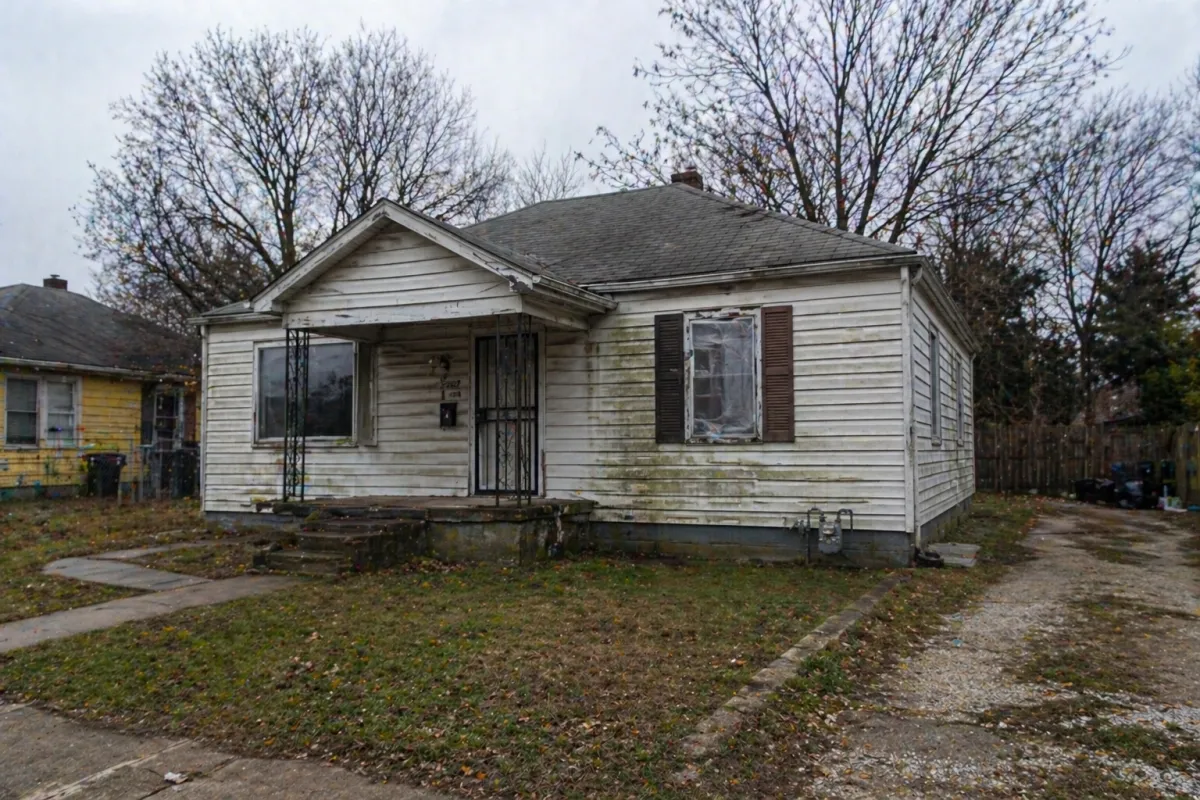
Cash Deals (Fix & Flip & Turnkey Rentals)
Best for rehabs or Turn key simple exits
When we use it:
Property needs repairs and a clean cash sale makes the most sense
Turnkey or near‑turnkey rentals where a straight purchase is better than terms
How we price fix & flips (rehabs):
We look at what the property could be worth after it’s renovated (ARV)
We subtract estimated repair costs
We back into a price that leaves enough margin for the investment after holding costs and risk
How we price turnkey rentals:
We look at what the property can bring in from Section 8 or market rent
We underwrite real expenses (taxes, insurance, maintenance, vacancy, management)
We make a cash offer based on a return that makes sense for our buyers at that rent level
We buy as‑is, cover most closing costs, and close through title/attorney like a normal sale.
We Help Hard‑To‑Sell
Properties Actually Sell
If your property doesn’t cash flow, won’t appraise, or keeps getting “great listing, but the numbers don’t work,”
we’ll show you exactly why and, if possible, how creative terms can fix it.
Seller Finance (Payments Over Time)
Best for high‑equity sellers who care about price
Typical template (starting point, not a guarantee):
About 10% above asking price
About 10% down at closing
Monthly payment ≈ 30–40% of Realistic/Current rent
6–10 year term, then we pay off the balance
How we structure it:
Property is placed into a trust or entity at closing.
Seller gets a promissory note and recorded security (deed of trust/mortgage), drafted by an attorney.
We pay a third‑party servicer; they pay the seller each month.
Documents can include protections so if payments seriously stop, the seller has a clear legal path to take the property back. Exact remedies are handled by the closing attorney so they comply with state law.
Hybrid (Loan Takeover + Extra Seller Payments)
Mix of mortgage takeover and seller finance
When we use it:
Existing loan is good, but seller also wants more than the balance
Example structure:
We take over the current loan
We also give the seller a small additional note with its own monthly payment and term
Seller gets: loan off their hands + some cash at closing + extra monthly on top
Cash Deals (Fix & Flip & Turnkey Rentals)
Best for rehabs or Turn key simple exits
When we use it:
Property needs repairs and a clean cash sale makes the most sense
Turnkey or near‑turnkey rentals where a straight purchase is better than terms
How we price fix & flips (rehabs):
We look at what the property could be worth after it’s renovated (ARV)
We subtract estimated repair costs
We back into a price that leaves enough margin for the investment after holding costs and risk
How we price turnkey rentals:
We look at what the property can bring in from Section 8 or market rent
We underwrite real expenses (taxes, insurance, maintenance, vacancy, management)
We make a cash offer based on a return that makes sense for our buyers at that rent level
We buy as‑is, cover most closing costs, and close through title/attorney like a normal sale.
We Help Hard‑To‑Sell Properties Actually Sell
If your property doesn’t cash flow, won’t appraise, or keeps getting “great listing, but the numbers don’t work,” we’ll show you exactly why – and, if possible, how creative terms can fix it.
Frequently Asked Question
Are you buying my property or listing it?
We’re investors, not listing agents. We buy or control properties directly using seller finance, mortgage takeovers, hybrids, or cash. If you’re an agent, you still get paid your commission through a normal closing.
Is this legal?
Yes, when it’s done correctly and closed through a title company or real estate attorney.
-Seller finance has been around longer than traditional 30‑year mortgages.
-Mortgage takeovers / “subject‑to” are written into standard closing statements.
-Trusts are a normal estate‑planning tool; we’re just using them to structure ownership and payments.
Every deal is documented with real contracts, recorded instruments, and handled by licensed professionals in that state.
What exactly is a mortgage takeover?
A mortgage takeover is when we buy a property and take over making the payments on your existing loan instead of paying it off with a new loan.
-You transfer ownership.
-We become responsible for making the payment.
-You get some money now and get released from the day‑to‑day headache of the property.
We use a trust structure and a third‑party payment servicer so there’s clear proof of who is paying what.
What is the trust structure and why do you use it?
Instead of transferring the property directly from you to us, we often:
-Have an attorney create a trust.
-Your property and its debt go into that trust.
-We buy the controlling interest in the trust.
-You usually keep a small interest (for protection and DTI reasons).
Why we do it:
-It gives lenders/underwriters a clear way to see that we, not you, are responsible for payments.
-It can help with how your old mortgage is treated in your debt‑to‑income picture.
-It allows us to write in strong protections for you if we ever stopped paying.
What happens if you stop making payments?
We build in clear protections so you’re not stuck if something goes wrong. Typical language (handled by the attorney) looks like:
-If we miss two consecutive payments, control of the trust reverts back to you.
-You keep any money you’ve already received (down payment + prior payments).
-You reclaim the property without having to go through a full foreclosure process.
We like deals where, if we default, you effectively “win the lottery” on equity and improvements.
Who is on title after closing?
After closing, title is either:
-In the name of the trust that holds the property, or
-In an entity we own (depending on the structure).
In either case, you are no longer the owner of record. You’re the lender/beneficiary, getting payments according to the agreement.
Can I still qualify for a new loan after selling this way?
It depends on your overall debt‑to‑income (DTI) and the lender’s guidelines. In many cases:
-If the property is rented and a third‑party servicer shows we are making payments, a new lender may give you income credit for that rent and/or treat the old mortgage differently in your DTI.
-Some lenders want to see a certain number of months of on‑time payments before giving full credit.
We can’t guarantee any specific lender decision, but we structure deals to make it as easy as possible for you to show that someone else is paying on the old property.
Does this trigger the due‑on‑sale clause with my bank?
Banks have the right to call a loan due when the property transfers. In practice, they mostly care about getting paid on time.
We use structures (like trusts and proper documentation) that are designed to minimize that risk and give everyone a clear paper trail. If a seller or attorney is uncomfortable, we’ll walk through the options and only proceed if they’re satisfied.
How are property taxes and insurance handled?
Once we close:
-We are responsible for property taxes and insurance.
-Either we pay them directly, or they’re included in the existing mortgage payment (escrow).
-You are not writing checks for taxes, insurance, or utilities after closing.
That’s true for seller finance, mortgage takeovers, and most hybrids.
What types of properties are a good fit?
Best fits:
-High‑equity properties where the seller wants price more than speed (seller finance).
-Low‑equity houses where dropping price means bringing cash to closing (mortgage takeover).
-Fully rented or rent‑ready houses and small multifamily where we can predict income.
-Fix & flip or heavy rehab deals where cash at a discount makes sense.
Weak fits:
-Properties with truly negative or unpredictable income where even creative structure can’t fix the math.
-Sellers who need all of their equity in cash immediately and won’t consider payments.
How fast can you make an offer and close?
Offer: usually within 24 hours once we have basic numbers.
Closing: often 21–30 days, depending on title, attorney, and how fast everyone moves.
Straight cash deals can be faster; more
complex trust/terms deals may take closer to the full 30 days or longer.
Do you work with agents? How do they get paid?
Yes. We love working with agents.
-You bring the deal; we bring the structure and the buyer capital.
-Commission is written into the agreement and paid at closing out of the funds we bring, just like a normal sale.
-On creative deals, your fee often comes out of the down payment/entry fee we pay on top of the debt we’re taking over.
What’s my risk as a seller?
Main risks (and how we address them):
Payment risk: We solve this with third‑party servicing, strong documentation, and clear “if we miss X payments, you get the property back” language.
Understanding the structure: We encourage you (and your agent) to review everything with your own attorney before signing.
Future plans: If you’re planning to buy again immediately, we’ll structure the deal to support that goal and tell you upfront if we think it could be an issue with lenders.
If at any point it doesn’t feel right or you don’t fully understand it, we’d rather slow down or not do the deal.

About MS Realty:
MS Realty structures creative, math‑driven deals for properties that don’t work for normal buyers or banks. We help agents and owners sell without constant price cuts by using seller finance, mortgage takeovers, and smart cash offers – all closed through title companies or attorneys.
*Example terms shown on this page are typical structures we use, not guaranteed offers. All deals are underwritten individually.*
Copyright 2026. MS Realty LLC. All Rights Reserved.
Terms and Conditions | Privacy Policy

Got a Property That
Just Won’t Sell?
If your listing won’t cash flow, won’t appraise, or keeps getting
“great house, bad numbers,” we’ll review it and tell you if a creative offer
(seller finance, mortgage takeover, or cash) can get it closed.
About MS Realty:
MS Realty structures creative, math‑driven deals for properties that don’t work for normal buyers or banks. We help agents and owners sell without constant price cuts by using seller finance, mortgage takeovers, and smart cash offers – all closed through title companies or attorneys.

*Example terms shown on this page are typical structures we use, not guaranteed offers. All deals are underwritten individually.*